









▌ Arms · 118
Weapons
- ⚔️ChainsawLEG.
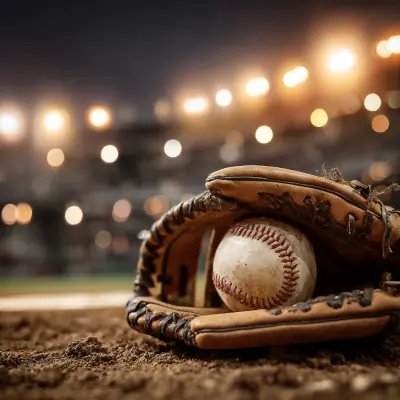
- ⚾Spiked batRARE
- 🧹BroomCOMMON
Makola Market was first. Two floors of compressed commerce, ten thousand traders in a space meant for two thousand, every aisle a negotiation, every corner a transaction. The woman who collapsed near the cloth section was assumed to be suffering from the heat. It was thirty-four degrees with ninety percent humidity, and the market's ventilation was the gaps between zinc sheets. A cloth trader named Auntie Mercy, everyone at Makola was Auntie or Uncle, bent to help her. Auntie Mercy lost three fingers before she understood this was not heatstroke. The screaming started in the cloth section and moved through the market the way sound moves through water, distorted, amplified, inescapable. The narrow aisles, packed with goods stacked to the ceiling, became chutes. The exits, only four for a market that held thousands, became crushes before the dead even reached them.
By five thirty-five, the videos were everywhere. A University of Ghana student in Legon posted footage shot from her hostel window showing fires near Circle. A trotro mate at Kaneshie posted a twelve-second clip of passengers fleeing a bus, something still inside, the mate's commentary in Twi was unprintable. Joy FM's drive-time presenter read the first reports live on air, his voice careful, journalistic, until a sound came through the studio window that made him stop mid-sentence. The broadcast continued for another forty seconds of dead air before the signal cut. MTN's network crashed at five fifty-one. Vodafone at five fifty-three. AirtelTigo held until six oh four, long enough for one final WhatsApp voice note from a nurse at Korle Bu Teaching Hospital to reach the outside world. She was crying. She was saying they were coming up the stairs.
The President addressed the nation from Jubilee House at six forty-seven. He wore a suit. He used the word 'calm' eleven times in four minutes. He referenced the National Disaster Management Organisation. At seven nineteen, the lights at Jubilee House went off, and they did not come back on, because the ECG had been doing scheduled load shedding, what Ghanaians called 'dumsor,' since three that afternoon, and the backup generator required diesel that nobody had thought to top up because there had been a fuel shortage all week. The irony of Jubilee House going dark from a power cut during an actual apocalypse was the kind of joke Ghanaians would have laughed at if they'd had time.
The Ghana Police Service's Accra Regional Command deployed every available unit. In a city of four million, this meant approximately eight hundred officers, many without vehicles, some without ammunition, all without training for what was happening. The military checkpoint at 37 Military Hospital, which controlled access to the military hospital and the surrounding barracks, held for ninety minutes because soldiers with automatic weapons and concrete barriers can hold a road. But roads were not the problem. The things came through the open gutters, the ones wide enough to walk through, the drainage channels that ran under every road in Accra. They came through the unfinished buildings, the concrete skeletons that dotted every neighborhood, where construction had stopped when money ran out and squatters moved in. They came through the places that were not on any map.
Nima fell the way it lived, in dense, defiant community. The zongo, the Muslim neighborhood in the heart of Accra, was the most densely packed square kilometer in West Africa. The alleys between houses were shoulder-width. Families of fifteen shared rooms of twelve square meters. When the dead entered Nima, there was nowhere to retreat. The young men, the same ones the police usually came to Nima to arrest, organized a defense with machetes and the iron rods from a nearby construction site. The chief imam of the Nima central mosque opened the doors and called for everyone to come inside. Eight hundred people packed into a space meant for five hundred. The doors were wooden. The dead were patient.
Osu fell with its restaurants still serving. The Oxford Street strip, where Accra's middle class ate at Buka and drank at Firefly, where the expats gathered at Rockstone's Office, the lights stayed on because every restaurant had its own generator against dumsor. The patrons of Chez Clarisse heard the screaming on the street and assumed it was a football celebration, Black Stars must have scored. The waitress who opened the door to look did not close it again. Cantonments, the diplomatic quarter, fell embassy by embassy. The Marine guards at the American Embassy held their compound. The walls were eight feet high and reinforced. But the embassy employed four hundred local staff, and by seven pm, some of them were no longer staff.
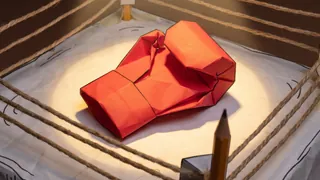
Jamestown held. The oldest neighborhood in Accra, the fishing community at the edge of the sea, it held because the Ga people knew their streets the way they knew the currents. The boxers from the Bukom Boxing Arena, that tiny gym that had produced world champions from poverty, they formed a perimeter with their fists and whatever else they could find. The fishermen pulled their boats close. Jamestown held until the tide brought in what the sea had not killed.
La, Teshie, Nungua, the coastal neighborhoods fell house by house, compound by compound. The compound house system, extended families behind shared walls, meant that one infected uncle at dinner became twelve infected family members by dessert. The traditional Ga compounds, built for community, became architecture for contagion.
At ten that night, Kwame Nkrumah's mausoleum still stood in its park, the black star on top lit by solar panels that answered to no grid. Around it, Accra was burning in patches, the fires marking the neighborhoods that had tried to use flames as a barrier. The Accra Mall's parking lot was a graveyard of abandoned cars. The Labadi Beach Hotel's pool lights cast blue patterns on water that no one would swim in again.
Accra. The Black Star. The Gateway to Africa. The city that had danced through coups and power cuts and IMF austerity with a shrug and a cold Star beer. The city that invented highlife and buried its dead in fantasy coffins shaped like eagles and Mercedes-Benzes and chili peppers, because even death deserved style.
There were no fantasy coffins tonight. Four million mouths. Open. To bite.
Nobody could say for certain where it started. Some blamed the tilapia from Tema Harbour, the frozen shipment from a Chinese vessel whose crew had welded their own cabin doors shut from the inside before the ship drifted into port on autopilot. Others pointed to the Korle Lagoon, that black, stinking body of water that bisected Accra like an open wound, where something surfaced near Old Fadama that the kayaye women mistook for a drowned fisherman until it stood up. A few whispered about the Ga traditional priest in Jamestown who had opened a coffin during a Tuesday libation ceremony and found it empty, the body gone, the silk lining shredded from the inside. It was a Tuesday. Five twelve in the afternoon. The hour when Kwame Nkrumah Interchange became a steel knot of trotros, when Makola Market reached its fever pitch of haggling, when the hawkers between lanes on the Accra-Tema motorway pressed their faces against every car window selling water sachets and phone chargers.
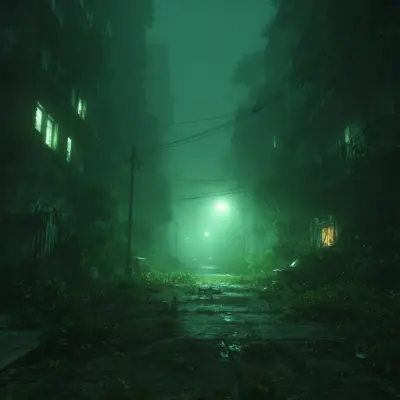
"As night fell, the Black Star Gate still glowed above Independence Square, gilding a city with nothing alive left in it. Oxford Street, deserted, was strewn with overturned tro-tros and abandoned kente wrappers. And in the dark, it was hungry."
From the katana to Billy the puppet. From the battle tank to the garden gnome. Every survivor carries 3 items: choose well. Unlock new gear as you gain experience.
Meals become works of art. Team morale never drops below 60%.
Teams that still have some information about the old world last longer. Log in to activate the permanent bonus.
The crown commands respect even in the chaos. The leader radiates poise, nobody questions the orders.
▌ FROM 0 TO 1200+ · FROM "ZOMBIE FOOD" TO "GOD MODE"
Run the simulation. Discover your Survival Score. Share your team. Every decision matters. Every day brings you closer to GOD MODE, or to death.
▌ 5 transmissions to read before building your team