






▌ Arms · 118
Weapons
- ⚔️ChainsawLEG.
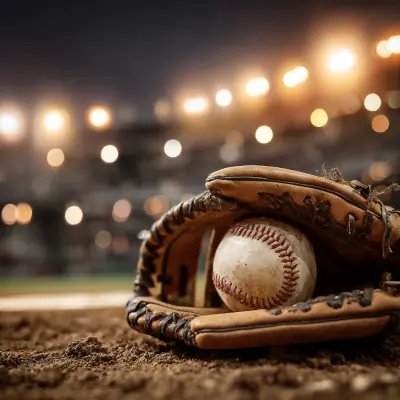
- ⚾Spiked batRARE
- 🧹BroomCOMMON
The first cases appeared at Connolly Station. DART commuters stumbling off the Howth train, grey-faced, collapsing on the platform before pulling themselves back up with a mechanical slowness, glassy eyes, slack jaw. The security lads thought it was drink. In Connolly at six in the evening, that's not exactly an unusual diagnosis. Then the biting started.
Within two hours, the Luas, the DART, Dublin Bus, everything that moves people through this city of a million cars and not enough roads, had become a killing floor. The Luas Red Line, that tram that runs from Saggart to The Point through the belly of the city, turned into a coffin on rails: packed carriages kept rolling, doors jammed, screams dying stop by stop. At O'Connell Street, under the Spire, that giant needle of stainless steel that the Dubliners call the Stiletto in the Ghetto, thousands of people found themselves trapped between the ticket machines and the grey tide pouring up from the underpasses.
Above ground, Dublin didn't cop on right away. On Grafton Street, buskers were still playing Galway Girl and tourists were still buying overpriced Aran jumpers when the first infected stumbled out of the Stephen's Green entrance, tripping into the evening light past the flower sellers and the living statues. People filmed. Of course they filmed. The footage of a lad in a Dublin GAA jersey biting a barman outside the Temple Bar went viral, twenty-one million views before the internet went down. The irony of it happening outside a pub called the Temple Bar was lost on nobody.
The Taoiseach spoke from Government Buildings at 6:47 PM. By 7:15 PM, Government Buildings was dark. By 8:02 PM, no one answered at Garda Headquarters in the Phoenix Park. Ireland had survived the Famine, eight hundred years of occupation, the Troubles, the crash of 2008, and the housing crisis. It was now discovering that there are things worse than negative equity.
The Defence Forces tried to hold the canals. Dublin is a city cut in two by the Liffey and ringed by the Royal and Grand Canals, and in theory you could seal off the centre. In theory. But Dublin has never been a city that works in theory. Every laneway, every mews, every gap between Georgian terraces was a breach. And the thing didn't need bridges. It walked through the water. The Liffey, that river James Joyce wrote an entire incomprehensible novel about, carried them downstream like logs.
The Liberties fell first. In the streets around Thomas Street, where the Guinness brewery has been pumping out stout since 1759 and where the air always smells of roasting barley, the smell changed. In Ballymun, the tower blocks that they'd spent twenty years demolishing and replacing with houses were barricaded floor by floor. In Tallaght, in Finglas, in Coolock, communities that the Celtic Tiger forgot and that the crash remembered fought back with hurleys and kitchen knives and a fury that came from being ignored for so long that being eaten alive was just the latest insult.
In Croke Park, the cathedral of GAA, eighty-two thousand empty seats. On that pitch where the British shot fourteen people on Bloody Sunday in 1920, where All-Ireland finals are won and lost and where grown men cry openly and nobody minds, shadows dragged across the grass. The Hill 16 terrace, named after the Easter Rising, was empty for the first time since it was built.
At the GPO on O'Connell Street, where Pearse read the Proclamation in 1916 and where every Irish rebellion seems to start or end, the pillars were dark. The bullet holes from the Rising were still in the stone. The building had survived the British Empire. It did not survive Tuesday.
From the top of the Dublin Mountains, from Killiney Hill where you can see the whole sweep of the bay on a clear day, Dublin was going out. Light by light. Street by street. Howth to Dalkey, Lucan to Dun Laoghaire. The whole thing.
Dublin. The city of Joyce and Yeats and Wilde and Behan. The city that wrote the book on suffering and then wrote another one and then went to the pub to talk about it.
The pubs were closed now.
And in the dark, between the Georgian doors and the council estates, between the tech campuses and the flat complexes, one point four million mouths were opening. Not to talk. Not to sing. Not to tell a story. Not to say ah sure look it. To bite.
Nobody could say for certain where it started. Some blamed a dead rat in the tunnels they were digging for the MetroLink, that metro Dublin has been promising for thirty years and never built, which meant the rat died in a tunnel that led nowhere, which felt about right. Others pointed to an unmarked container at Dublin Port that customs never opened because the officer on duty was at lunch and his replacement was stuck on the M50. A few whispered about a lab in Trinity College whose emergency frequency went silent on the night of March 12th and never came back. What everyone agrees on is that it happened on a Tuesday, right at rush hour.
"As night fell, the Spire still caught the last light on O'Connell Street, gilding a city with nothing alive left in it. Grafton Street, deserted, was strewn with overturned buggies and abandoned pints. And in the dark, it was hungry."
From the katana to Billy the puppet. From the battle tank to the garden gnome. Every survivor carries 3 items: choose well. Unlock new gear as you gain experience.
Meals become works of art. Team morale never drops below 60%.
Teams that still have some information about the old world last longer. Log in to activate the permanent bonus.
The crown commands respect even in the chaos. The leader radiates poise, nobody questions the orders.
▌ FROM 0 TO 1200+ · FROM "ZOMBIE FOOD" TO "GOD MODE"
Run the simulation. Discover your Survival Score. Share your team. Every decision matters. Every day brings you closer to GOD MODE, or to death.
▌ 5 transmissions to read before building your team